Glass Cluster
A glass-style instrument presentation.
DEV UPDATE / OCTOBER 25–26, 2026
The last two days have been about giving the parts shop more personality, putting more choice into the race HUD, and tightening the details that connect the garage to the strip.
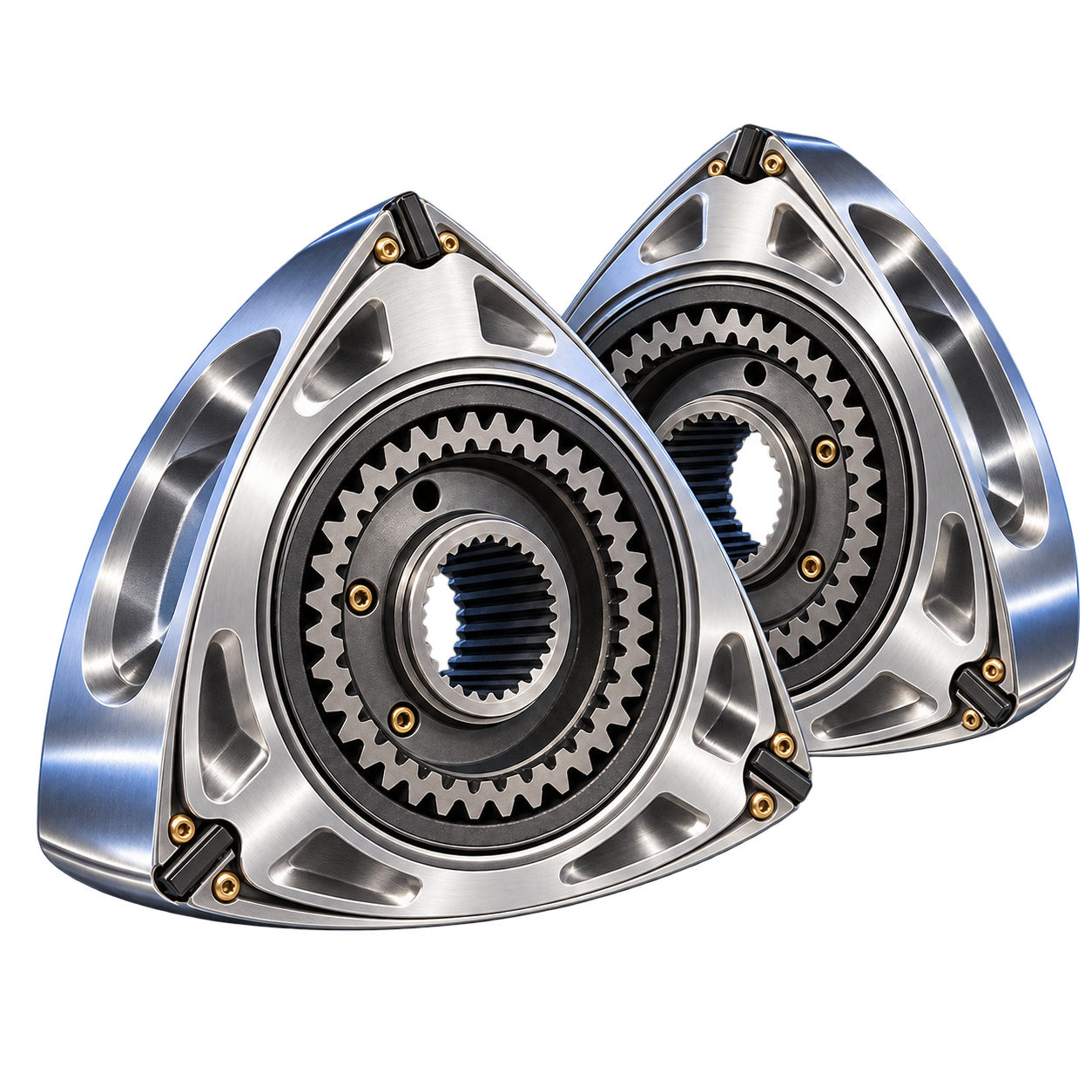
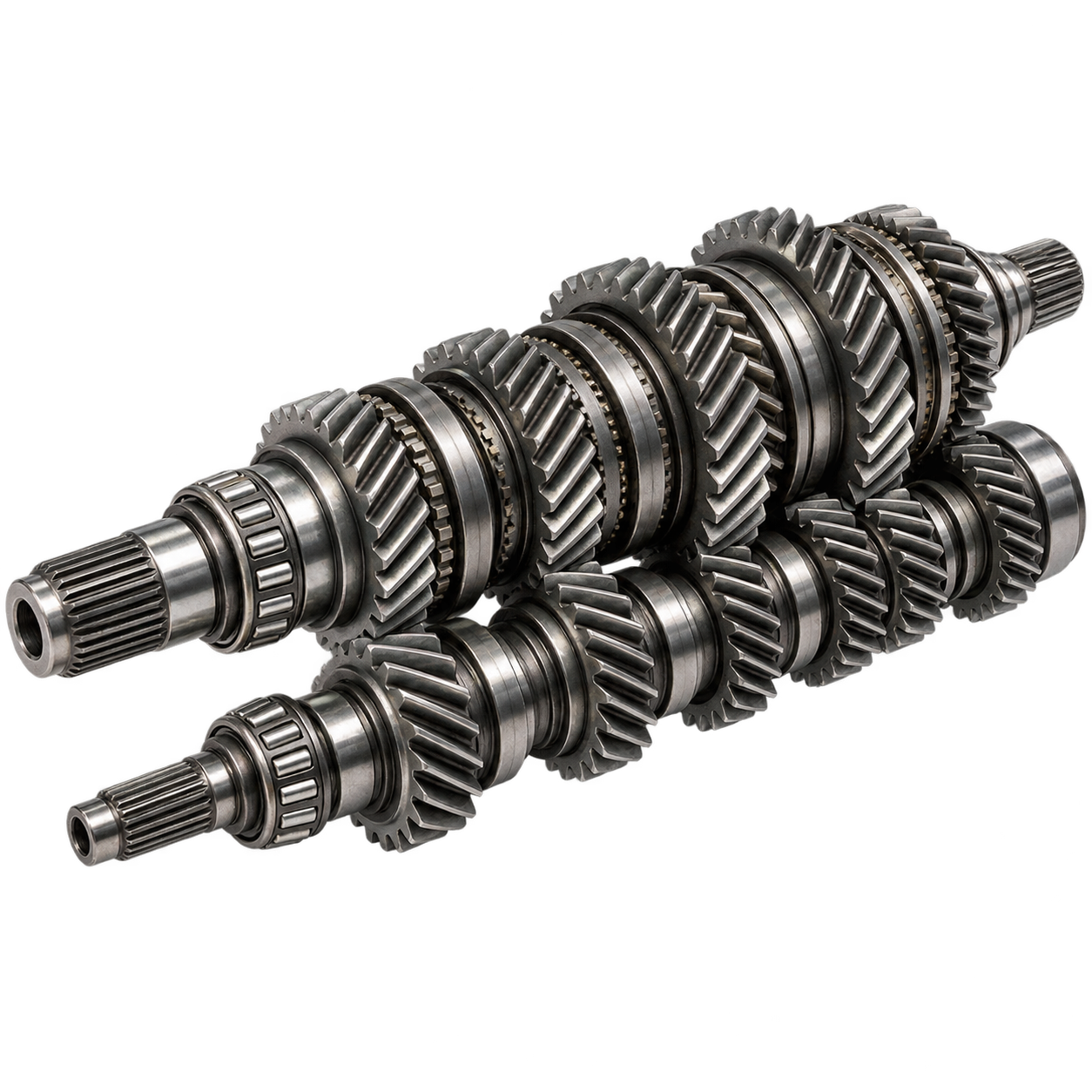
The imagery pass now reaches across the motor, drivetrain, suspension, wheels, and transmission departments. Individual parts have their own product images, with separate Street, Sport, and Race artwork for the supported upgrade families.
Camshafts look like camshafts. Rotary housings stay distinct from piston-engine parts. Transmission cases are shown as cases. The matching artwork follows the part into inventory and its detail popup.
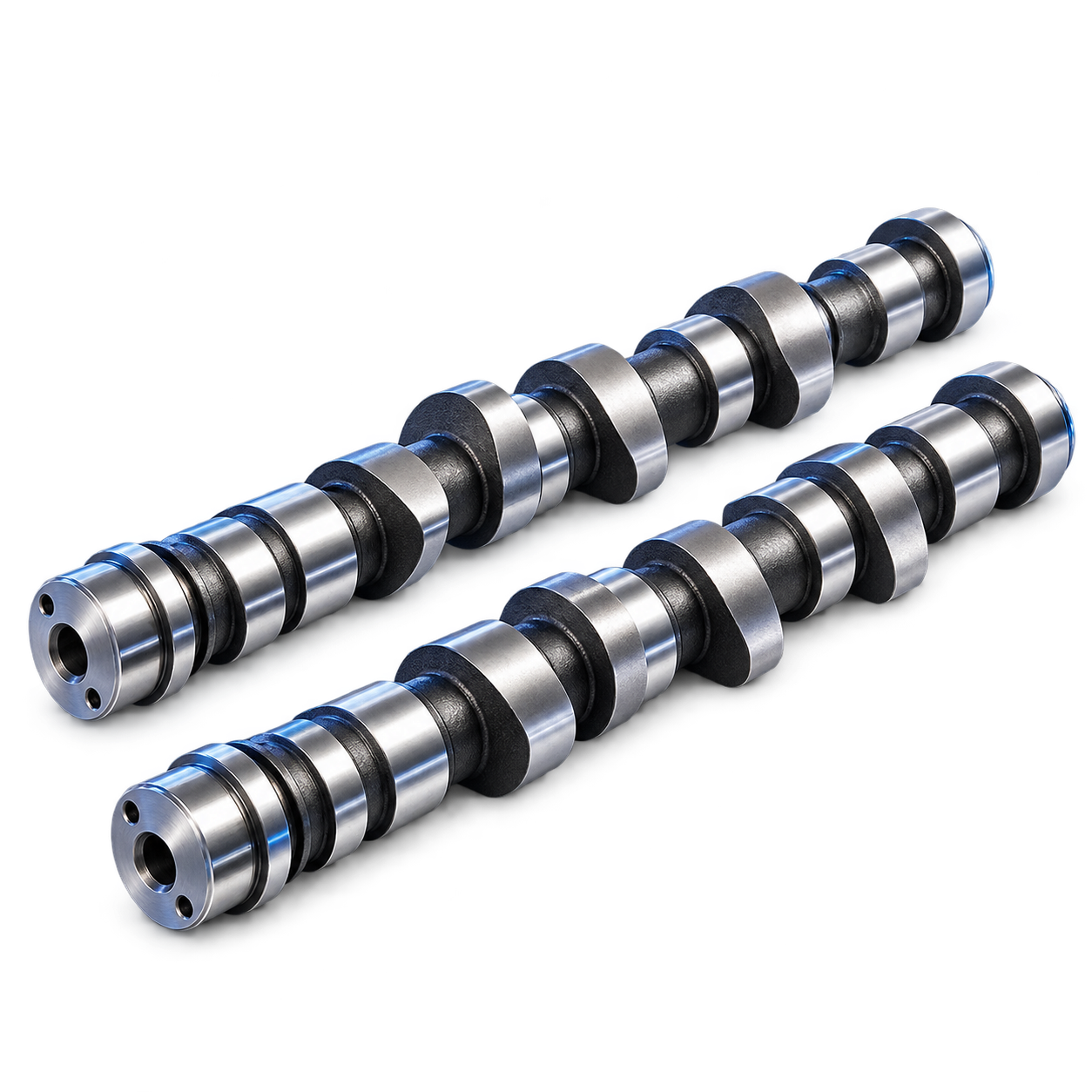
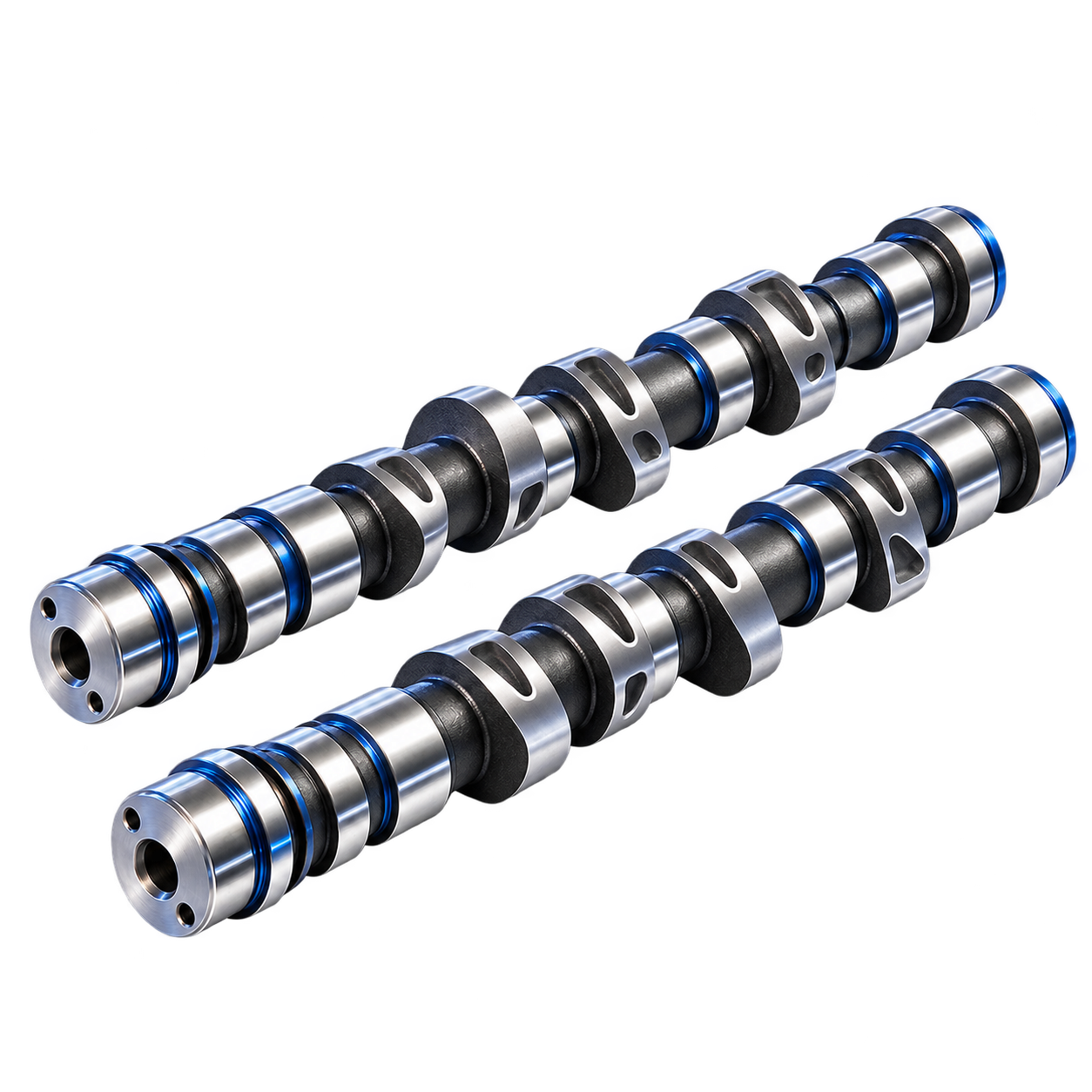
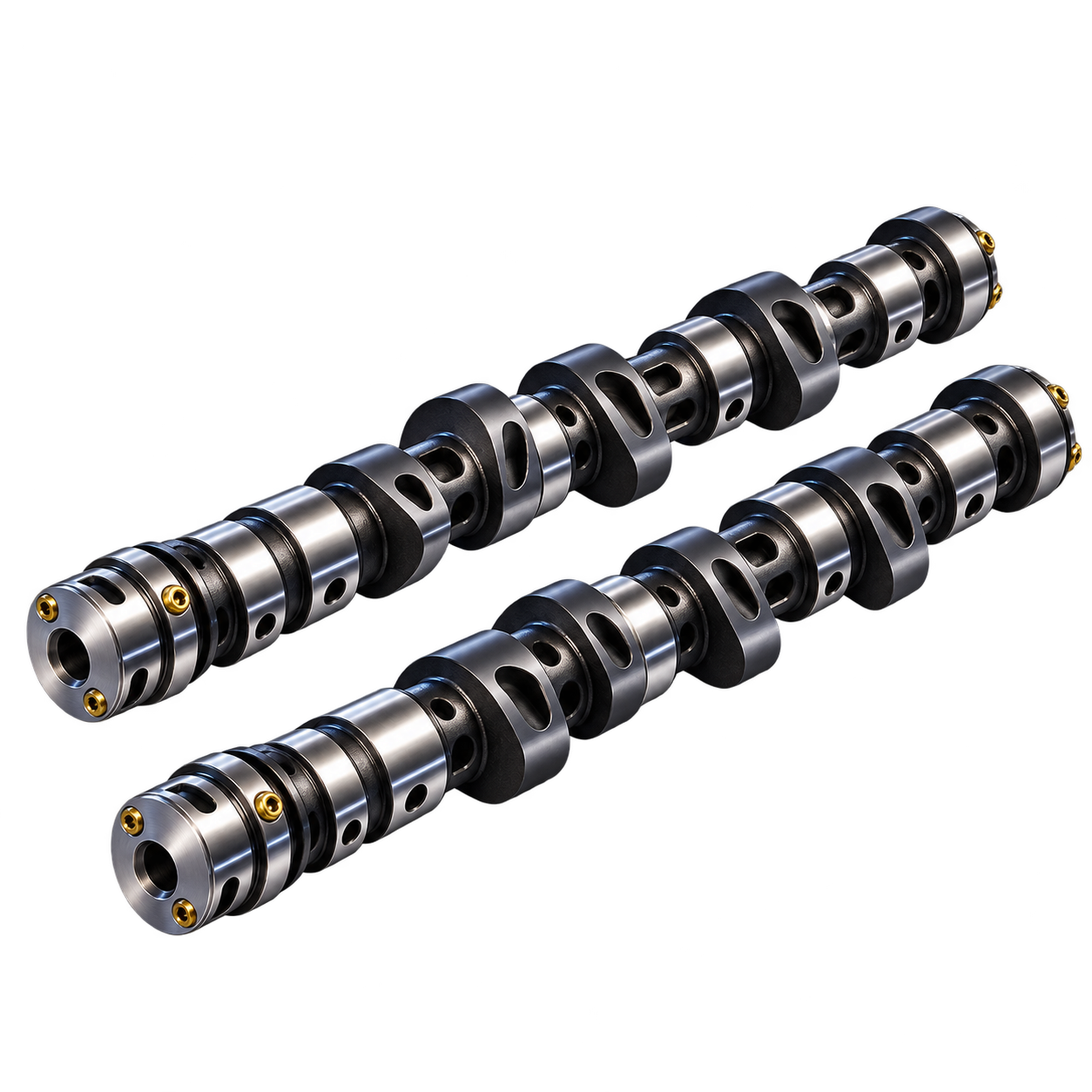
Tier differences use changes in machining, construction, coatings, and fittings—not just a different border. The specifications and fitment in the game remain the source for choosing an upgrade. Configurations within a tier can share an illustration.
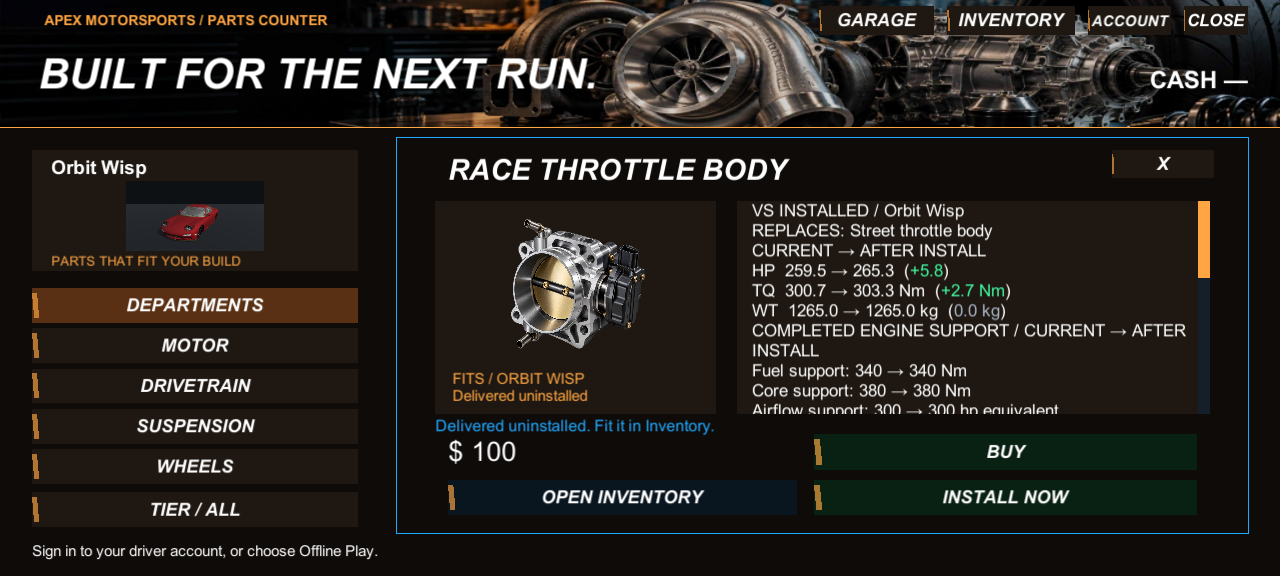
The HUD now offers Glass Cluster, Horizontal, and Classic Dial. Pick the presentation you prefer in race setup; the game remembers your choice. All three keep live speed, gear, and RPM information.
A glass-style instrument presentation.
A horizontal instrument layout.
The circular tachometer and dashboard shell.
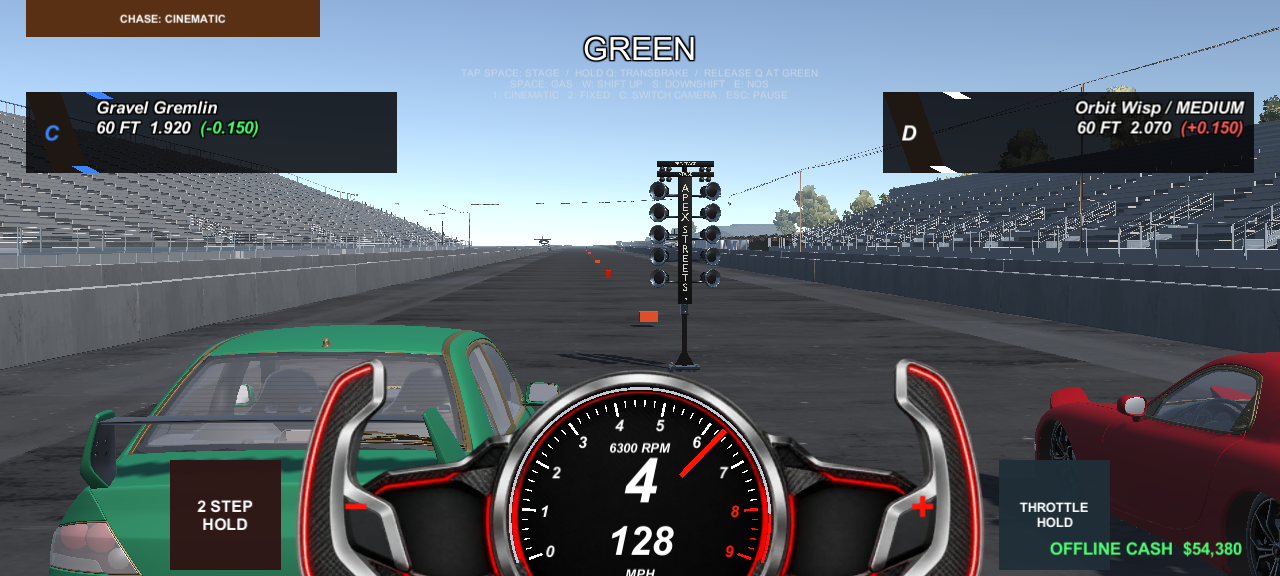
Recent fix carried forward: the tachometer uses the active car’s engine limit, including its fitted build. The Wisp’s warning region had been appearing too early; correcting the display avoids showing normal engine speed as continuous redline. This was a gauge correction, not a first- or second-gear ratio change.
The Wisp’s cosmetic selector now has nine named designs: Atlas, Vector, Vortex, Circuit, Apex, Redline, Gilt, Vector T10 Five-Bolt, and Vector T10 Centerlock.
Redline brings black-and-red detailing, Gilt pairs black spokes with a gold finish, and the T10 choices add two different center treatments.
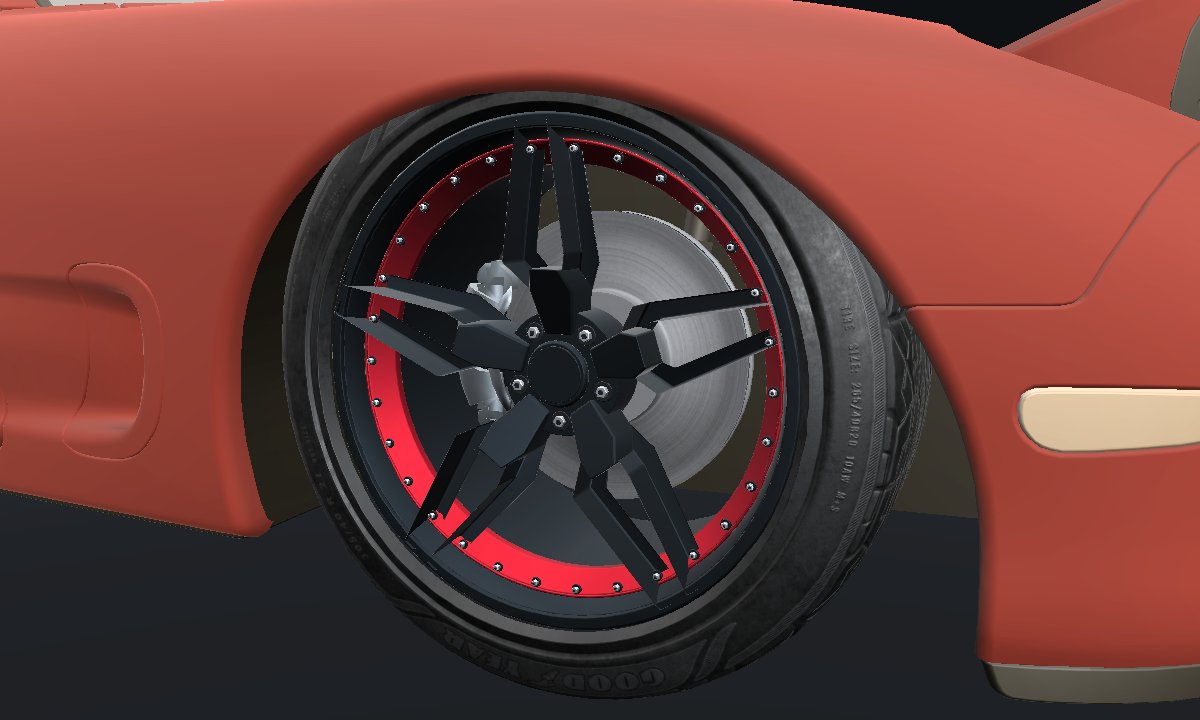
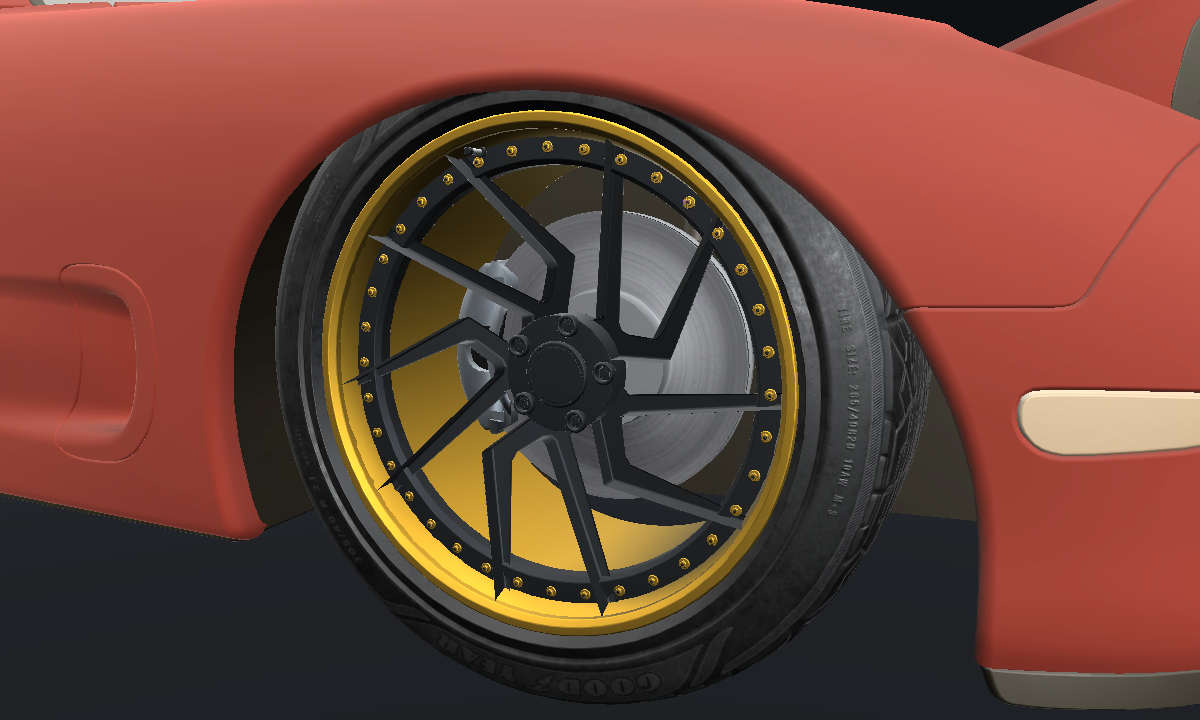
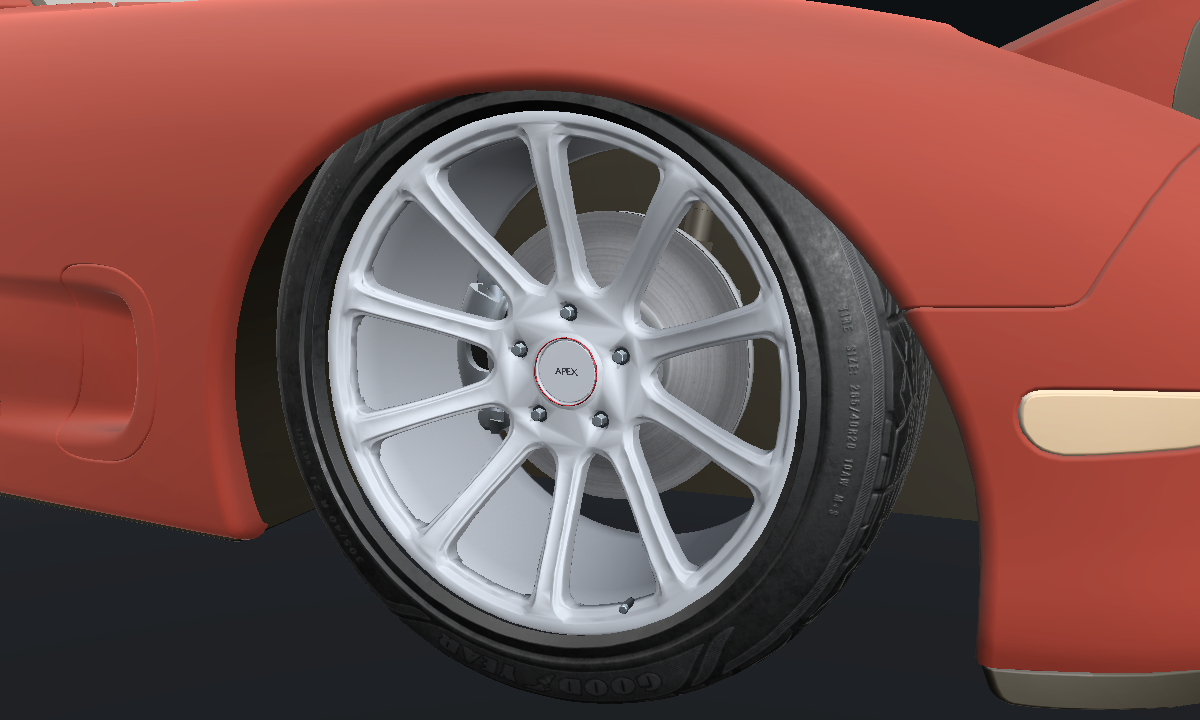
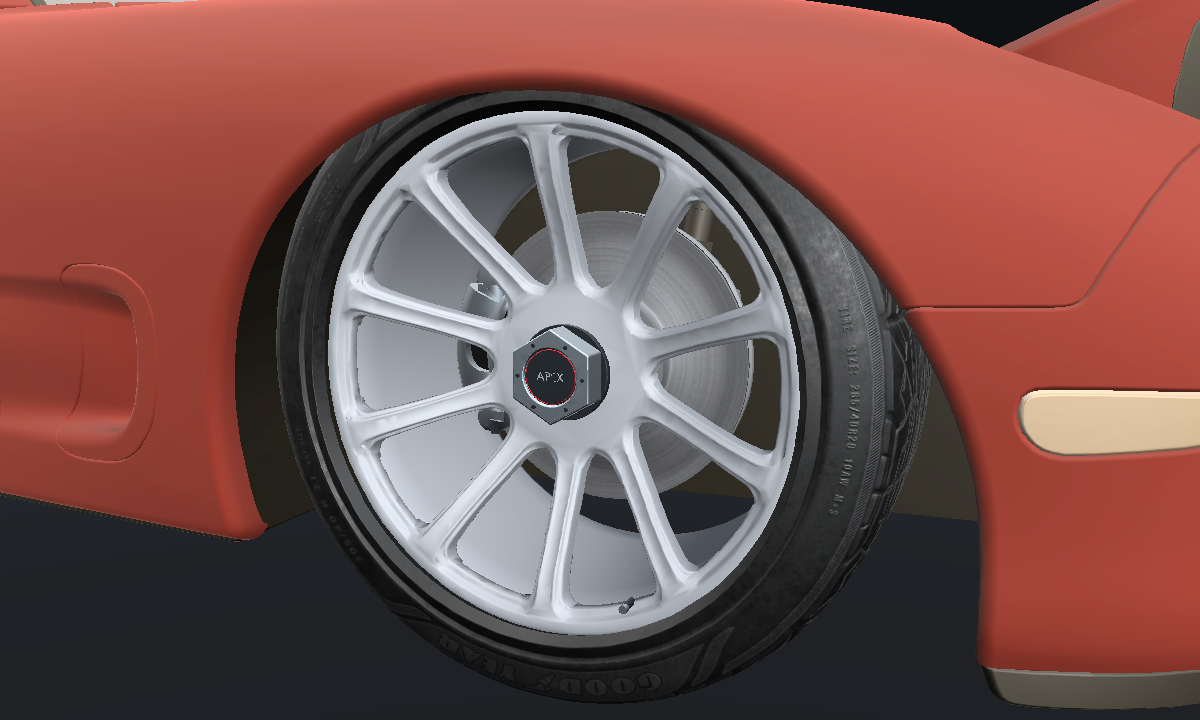
We corrected import orientation and placement so the new faces sit in front of the brakes. Tire bead fitting now follows the installed rim’s actual dimensions, helping the tire and rim stay seated as sizes change. Paint, style switching, and tire contact received focused checks.
A recent balance adjustment is included in this development pass: Normal opponents use a slower reaction-time range of 0.28–0.45 seconds, giving players more breathing room at the lights. Their elapsed-time targets were left unchanged, so the adjustment eases the launch rather than slowing the entire run. Easy and Hard were left unchanged.
This balance change was made shortly before the October 25–26 work and is included as context. It is not a new global physics or gearing overhaul.
A Windows development build was packaged on October 25 and passed a background startup check. That package predates the October 26 HUD-choice and crouching commit.
Focused Unity checks cover artwork selection, shop popups, wheel fit, sizing, and paint. That is targeted verification, not a claim that every game flow or device has been tested. Physical-phone testing and a full playthrough of the latest changes remain outstanding.
Images are development captures or illustrative game assets. Wheel close-ups use brighter studio lighting for readability. The HUD image is an earlier Classic Dial reference. Cosmetic wheel selection and shop rim illustrations are separate systems. Development previews; features remain in testing.